
For baby feeding products, material safety, capacity, durability, cleaning convenience, and ease of handling are among the factors that parents and distributors consider most carefully. As a high-performance engineering plastic, PPSU has become a popular material for reusable baby bottles because it combines relatively low weight with strong resistance to heat and repeated cleaning.
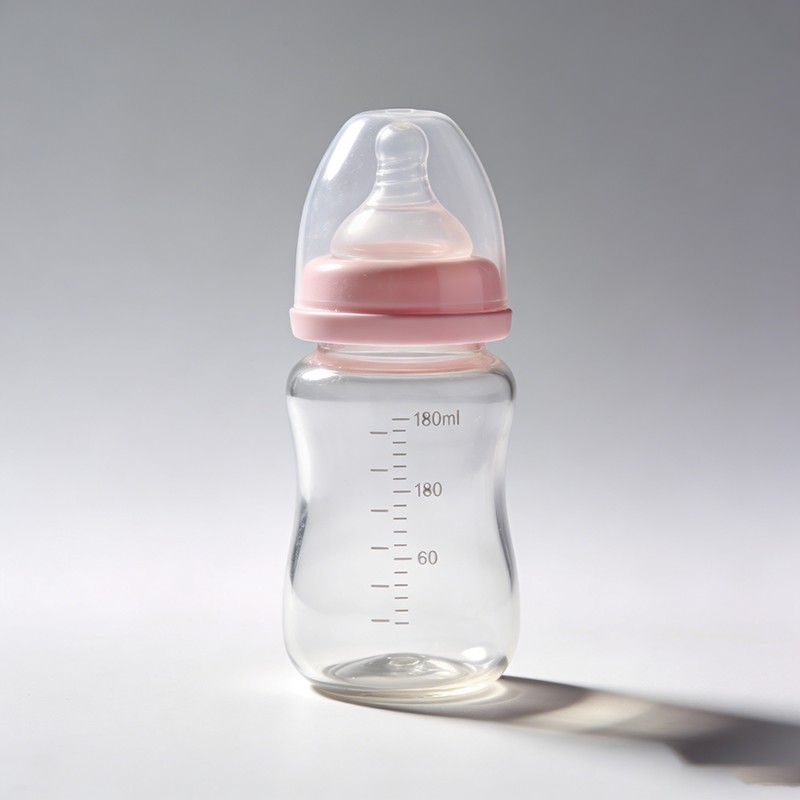
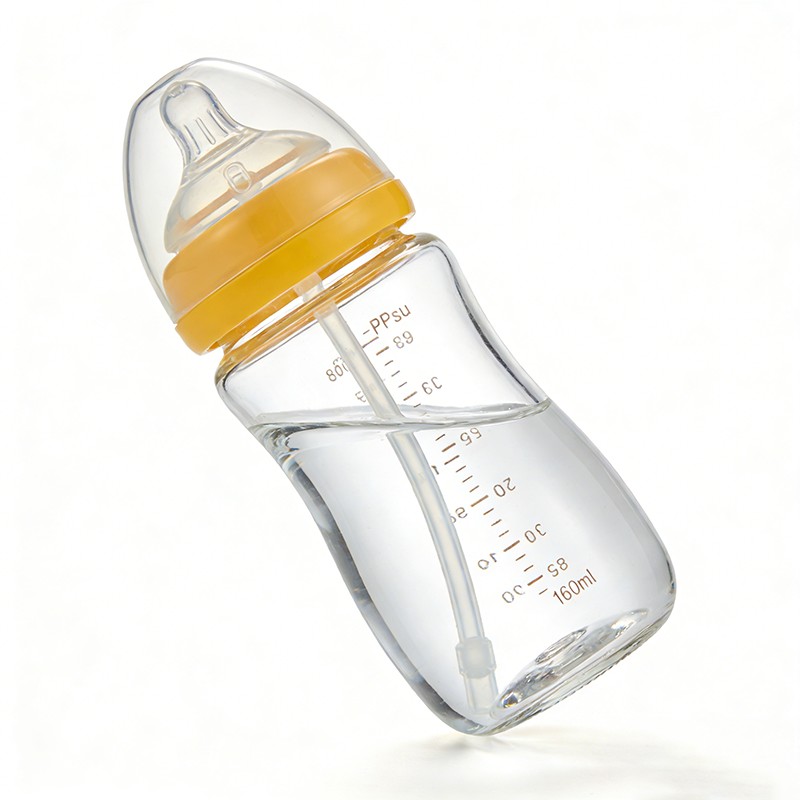
The PPSU Bottle 180ml from QINMENG is designed for infant feeding applications where a compact capacity and durable bottle structure are required. The 180ml capacity is suitable for smaller feeding volumes, while PPSU construction provides a practical alternative to conventional glass and other plastic bottle materials.
For baby-product wholesalers, retailers, OEM brands, and distributors, understanding the relationship between material properties and daily-use requirements is important when selecting a bottle for a specific market.

One of the main reasons PPSU is used in reusable feeding products is its resistance to elevated temperatures. Baby bottles are regularly exposed to hot water, cleaning processes, and sterilization conditions, so the bottle material needs to maintain its structural properties during repeated use.
However, the actual maximum temperature depends on the complete bottle construction, including the bottle body, nipple, cap, sealing components, and manufacturer's instructions. Buyers should evaluate the finished product rather than assuming that every PPSU component has the same temperature rating.
Unlike glass bottles, PPSU bottles are lightweight and less susceptible to shattering during everyday handling. This characteristic can be useful for families and childcare environments where bottles are frequently washed, transported, assembled, and used.
Research examining PPSU baby bottles has also evaluated polymer-related substances and migration behavior under simulated food-contact conditions. In the study, the tested PPSU samples did not show exceedances of the relevant specific migration limits or toxicological concern thresholds under the tested conditions. :contentReference[oaicite:0]{index=0}
| Parameter | Specification | Importance for Buyers |
|---|---|---|
| Product Type | PPSU Baby Bottle | Designed for reusable infant feeding |
| Capacity | 180ml | Suitable for smaller feeding volumes |
| Main Bottle Material | PPSU | Provides lightweight and heat-resistant construction |
| Application | Infant feeding | Suitable for home, childcare, and retail baby-product markets |
| Bottle Design | Reusable construction | Designed for repeated cleaning and feeding cycles |
| Product Brand | QINMENG | Suitable for branded and OEM baby-product programs |
| Capacity Category | 180ml | Compact option for lower-volume feeding requirements |
| Material Consideration | Polyphenylsulfone | Engineering plastic commonly selected for heat-resistant reusable products |
Exact dimensions, nipple configuration, cap material, temperature rating, sterilization method, packaging, and available colors should be confirmed with QINMENG according to the specific production version and purchasing requirements.
A 180ml bottle provides a relatively compact capacity compared with larger feeding bottles. This makes it practical for feeding situations where a smaller volume is required and can also reduce the amount of unnecessary space occupied in a diaper bag or storage area.
Capacity should be selected according to the baby's feeding stage, feeding habits, and the intended application. For retailers, offering several capacities can help address different consumer requirements.
A smaller bottle can be easier for parents to hold, particularly when feeding involves frequent repositioning. Bottle shape, grip area, overall weight, nipple design, and balance all contribute to the actual handling experience.
For manufacturers, capacity should therefore be considered together with ergonomics rather than treated as an isolated specification.
PPSU provides the structural advantages of an engineering plastic while remaining considerably lighter than many glass alternatives. Lower bottle weight can make repeated feeding and transportation more convenient.
This is especially relevant to parents who carry feeding equipment outside the home or to childcare facilities that need to handle multiple bottles during the day.
Reusable baby bottles need to withstand repeated cleaning cycles. PPSU is commonly selected for this type of application because of its resistance to heat and physical wear.
Nevertheless, users should always follow the manufacturer's cleaning and sterilization instructions. Excessive temperatures, unsuitable chemicals, abrasive cleaning methods, or prolonged exposure to harsh conditions may affect any reusable product.
PPSU is also valued in baby-bottle applications for its resistance to absorbing colors and odors compared with some conventional plastic materials. This can be helpful when bottles are used repeatedly with milk and other infant feeding liquids.
Proper cleaning remains essential because material resistance does not replace routine hygiene practices.
For baby-product importers and distributors, material traceability should be one of the first supplier-evaluation factors. Buyers should ask about the grade and source of the PPSU resin used for the bottle body and request relevant material documentation when required.
This becomes especially important when products are intended for food-contact applications in markets with specific regulatory requirements.
Baby feeding products require a higher level of attention to material compliance than many ordinary household plastic products. Buyers should determine which destination markets the product will be sold in and identify the corresponding food-contact and infant-product requirements.
Testing and compliance documentation should be matched to the destination market instead of using a generic safety statement for every country.
A baby bottle is a complete feeding system rather than simply a bottle body. Nipple material, cap, sealing ring, thread structure, and other components can all affect usability and compliance.
When purchasing in bulk, buyers should confirm that all components are designed to work together and that replacement parts are available when required.
The opening size and internal structure influence how easily parents can clean the bottle. A practical design should allow users to reach the interior surfaces without creating unnecessary areas where milk residue can accumulate.
For distributors, easy cleaning can be an important selling point because feeding bottles are typically washed multiple times throughout their service life.
Clear measurement markings allow parents and caregivers to estimate feeding volume more conveniently. Markings should remain readable after repeated cleaning and sterilization according to the product's intended service conditions.
For OEM projects, buyers can discuss the scale design, unit system, logo position, and printing or molding method with the manufacturer.
A reliable sealing structure is essential for a portable feeding bottle. Thread engagement, nipple installation, sealing components, and cap design all influence the possibility of leakage.
Before mass production, buyers should conduct practical leakage tests under different orientations and handling conditions rather than relying only on visual inspection.
After each feeding, the bottle should be disassembled according to the manufacturer's instructions and cleaned thoroughly. Milk residue should not be allowed to remain in the bottle or feeding components for extended periods.
Users should avoid aggressive abrasive tools that could scratch the surface or damage sealing components.
Although PPSU bottle bodies can provide good durability, nipples, seals, and other soft components may have different service lives. These parts should be inspected regularly for deformation, cracking, discoloration, or other signs of wear.
Replacement intervals should follow the manufacturer's recommendations and the actual condition of the components.
| Feature | PPSU | Glass | Conventional Plastic |
|---|---|---|---|
| Weight | Lightweight | Relatively heavy | Generally lightweight |
| Impact Resistance | High | Lower due to brittleness | Depends on material |
| Heat Resistance | High | High | Depends on polymer type |
| Repeated Sterilization | Suitable when within specified conditions | Generally suitable | Depends on material grade |
| Transparency | Usually translucent | High transparency | Varies by material |
| Portability | Good | Lower due to weight | Good |
| Typical Advantage | Balance of heat resistance, durability, and low weight | High temperature resistance and rigid structure | Cost-effective and lightweight options |
The appropriate material depends on the target market, usage conditions, compliance requirements, pricing strategy, and consumer preferences. PPSU is particularly relevant when buyers want a reusable bottle combining low weight with high-temperature resistance.
For molded PPSU bottles, process stability is important for maintaining consistent wall thickness, dimensions, appearance, and mechanical performance. Injection temperature, mold temperature, cooling conditions, holding pressure, and cycle time all need to be controlled appropriately.
Inconsistent molding can lead to dimensional variation or visual defects that may affect assembly and final product quality.
Finished bottles should be checked for dimensional accuracy and proper assembly. Leakage testing is particularly important because the bottle must maintain a reliable seal during normal use and transportation.
For large B2B orders, batch sampling and inspection procedures can help identify production deviations before products reach the market.
Quality inspection should also cover material identification, surface appearance, color consistency, molding marks, flash, scratches, and other visible defects.
For private-label brands, consistent appearance between production batches is particularly important because the bottle is part of the brand's overall product presentation.
Baby-product brands may require different capacities and bottle shapes for different consumer groups. The 180ml format can serve as a compact configuration, while other capacities can be developed for customers with larger feeding-volume requirements.
Customized bottle geometry should be evaluated together with mold structure, wall thickness, ergonomics, assembly requirements, and manufacturing cost.
OEM buyers can also consider logo placement, measurement markings, color options, packaging design, instruction manuals, and retail presentation.
These details should be finalized before tooling and mass production so that the product, packaging, and brand identity remain consistent.
Ask the supplier to confirm the exact material used for the bottle body and identify whether the product uses PPSU specifically intended for the application.
Depending on the destination market, buyers should request relevant food-contact testing, material documentation, and applicable compliance certificates. Requirements can differ between the United States, European Union, and other markets.
Samples should be evaluated before bulk production. Buyers can inspect bottle dimensions, weight, appearance, measurement markings, sealing performance, nipple fit, cleaning convenience, and packaging quality.
For wholesale and OEM orders, the purchase specification should clearly define capacity, materials, colors, accessories, packaging quantity, carton dimensions, labeling, and inspection requirements.
QINMENG provides baby feeding products with a focus on practical daily-use requirements. For buyers sourcing an 180ml PPSU bottle, the product format offers a compact capacity combined with the material characteristics associated with PPSU construction.
For international distributors and private-label brands, supplier communication should cover not only the bottle itself but also material documentation, component compatibility, packaging, customization, quality inspection, and destination-market compliance.
The value of a reusable baby bottle is determined by more than its material name or capacity. Material quality, molding consistency, sealing performance, component compatibility, cleaning requirements, compliance documentation, and production control all influence the final product.
The PPSU Bottle 180ml from QINMENG provides a compact 180ml feeding capacity and PPSU bottle construction for buyers seeking a lightweight and heat-resistant reusable feeding solution.
For baby-product wholesalers, retailers, OEM brands, and importers, the most effective procurement approach is to verify the complete product specification, review relevant compliance documentation, test samples, and establish clear quality requirements before mass production. This helps ensure that the finished bottle is suitable for the intended market and practical for everyday infant feeding.