
Baby waist warmers have become an increasingly popular accessory among modern parents seeking to enhance newborn comfort, support abdominal warmth, and reduce discomfort caused by temperature changes. This article explores the functional benefits, material considerations, safety aspects, usage guidance, and purchasing insights related to baby waist warmers. It aims to provide a comprehensive understanding for caregivers who want to make informed decisions when selecting infant care products. You will also find practical tables, structured lists, and expert-level guidance on how these products can fit into daily baby care routines.
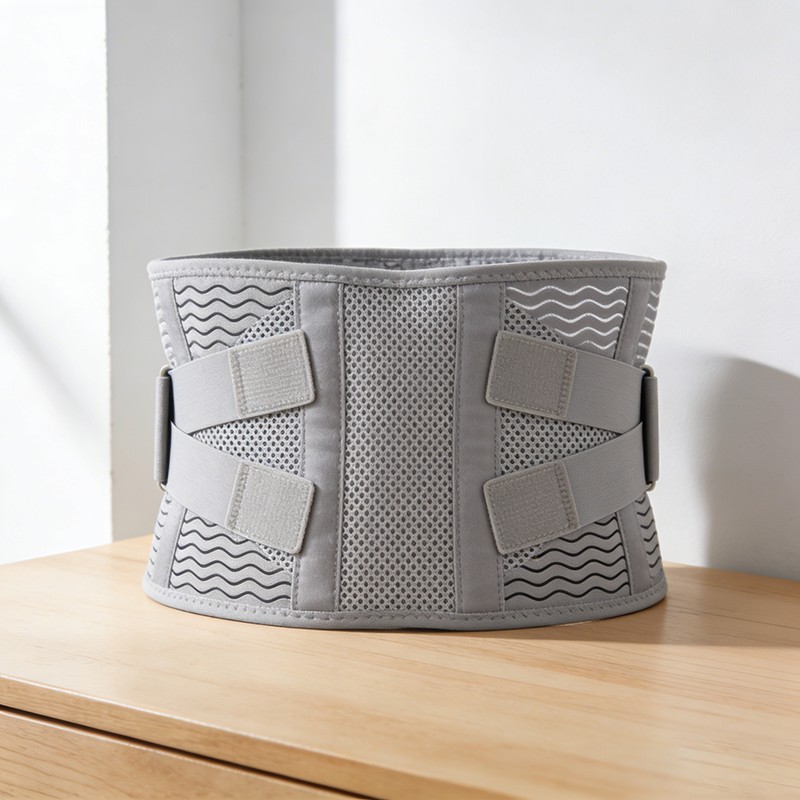
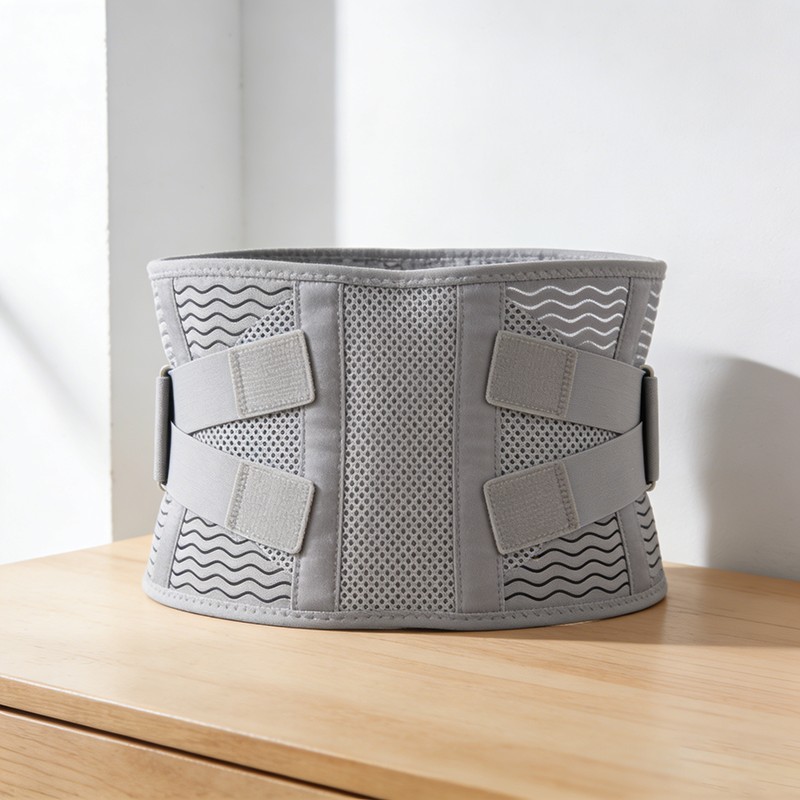
Baby waist warmers are soft, flexible garments designed to wrap around an infant’s abdominal area to maintain warmth and provide gentle support. Unlike heavy clothing layers, they focus specifically on protecting the core body region, which is particularly sensitive in newborns and young infants. Because babies have underdeveloped thermoregulation systems, even minor temperature fluctuations can lead to discomfort or restlessness.
These waist warmers are typically made from breathable, skin-friendly materials and are designed to fit snugly without restricting movement. They can be used indoors, during sleep, or under clothing during colder seasons. Parents often appreciate their simplicity and versatility in daily care routines.
Newborns lose heat faster than adults due to their higher body surface area relative to weight. The abdominal area is especially vulnerable because it contains vital organs involved in digestion and overall metabolism. Sudden temperature drops can lead to discomfort, bloating, or disrupted sleep patterns.
Waist warmers help stabilize the core temperature by providing a consistent layer of insulation. This is particularly helpful during seasonal transitions, air-conditioned environments, or nighttime cooling. Many caregivers also use them as a preventive measure to reduce mild colic discomfort caused by abdominal sensitivity.
The effectiveness and comfort of baby waist warmers largely depend on the materials used. Below are the most commonly used fabric types and their characteristics:
Each material serves different environmental and comfort needs. For example, cotton is widely preferred for daily use, while wool blends are more suitable for winter conditions.
Baby waist warmers offer several practical benefits that contribute to both infant comfort and parental convenience. These include:
Parents often report improved sleep quality in babies when waist warmers are used appropriately. The gentle compression and warmth can create a soothing effect similar to swaddling.
Proper usage is essential to ensure comfort and safety. Baby waist warmers should always be fitted snugly but not tightly. The goal is gentle warmth rather than compression.
It is recommended to combine waist warmers with appropriate seasonal clothing rather than using them as a standalone protective layer in extreme weather.
Selecting the right baby waist warmer requires attention to several key factors. Parents should prioritize safety, comfort, and adaptability.
| Type | Material | Best Season | Main Advantage | Consideration |
|---|---|---|---|---|
| Basic Cotton Waist Warmer | Cotton | Spring/Summer | Breathable and soft | Limited insulation in winter |
| Thermal Waist Warmer | Cotton + Wool | Autumn/Winter | Strong heat retention | May feel slightly thicker |
| Elastic Comfort Belt | Spandex Blend | All seasons | Flexible fit and movement | Less insulation than thermal types |
| Bamboo Fiber Warmer | Bamboo Fabric | Summer | Moisture control and softness | Higher price range |
Proper maintenance ensures long-term usability and hygiene. Baby skin is highly sensitive, making cleanliness a top priority.
Regular inspection for wear and tear is also important. Replace the waist warmer if elasticity is lost or fabric becomes rough.
Safety should always come first when using any baby care product. Baby waist warmers are generally safe when used correctly, but caregivers must remain attentive.
If any discomfort or unusual behavior is observed, discontinue use immediately and consult a healthcare professional.
Q1: Can newborns wear baby waist warmers all day?
It is not recommended to use them continuously. Short intervals with breaks are ideal.
Q2: Are baby waist warmers suitable for all seasons?
Yes, but the material should be selected based on seasonal temperature conditions.
Q3: Do waist warmers help with colic?
They may provide gentle comfort, but they are not a medical treatment.
Q4: How many waist warmers should parents own?
Having at least 2–3 allows rotation during washing and daily use.
Q5: Can they be worn under diapers?
Yes, as long as they do not interfere with diaper fit or circulation.
Baby waist warmers serve as a simple yet effective tool to enhance infant comfort and protect the abdominal area from temperature fluctuations. When chosen carefully and used correctly, they can become a valuable part of a baby’s daily wardrobe, especially in cooler environments.
Modern parents increasingly seek lightweight, breathable, and safe solutions for infant care, and waist warmers align well with these expectations. Their versatility makes them suitable for home use, travel, and seasonal transitions.
Professional manufacturers such as Ningbo Qinmeng maternal and child products Co., LTD. continue to develop improved designs that focus on comfort, safety, and material innovation, helping parents feel more confident in everyday baby care choices.
If you are looking for reliable baby waist warmers with thoughtful design and quality materials, contact us today to learn more about product options, customization services, and partnership opportunities. We are committed to supporting families with safe and practical maternal and infant solutions.
-